化療第九天,上午看到Shawn Ryan訪問副總統蕭美琴的影片,1個小時20分鐘,沒有冷場,好幾段問答,我們的蕭副總統,誠懇、精準、大方、理性,流露出讓人動容的領袖氣質,看底下老外的留言就知道—是許多國家的羨慕與臺灣人的驕傲。

訪談逼問的內容核心圍繞著戰爭的各種可能的場景,臺灣與國際社會必要應對的冷冽現實與嚴峻挑戰,我覺得臺灣人也值得仔細觀看,危急存亡之際心裡會更有底氣,希望有中文翻譯版,讓更多國人可以看到(連結放留言)。
看完後,想到難得回國,離開臺灣已經10年,7歲以前臺灣的童年記憶幾乎不存,只會講英文與臺語的姪女愛裡(大弟的女兒)。臨時起意,打了電話回老家,約她跟老爹一起看《看不見的國家》(Invisible Nation),對移民海外的臺灣人第二代是很難得的記憶回補,尤其是跟著兩代老臺灣男人在臺灣的戲院裡一起觀看。影片內容也是很好的人格養成教育,可以激勵下一代骨氣與志氣,努力學習成長成為受人受世界尊重的臺灣孩子。
今天體力很虛,無論如何還是要完成這個突發的重要事,網路上預訂了票,在離家不遠的新光天母Cinema,很難得三代同堂,一起重溫臺灣重要的一段民主路與過去現在面對的挑戰。
美國導演非常用心拍攝剪輯,給了國際社會理解臺灣、支持臺灣很好的媒介,臺灣人的故事老外說得動人,畫面、剪接、收音、配樂都很到位,即便是臺灣人早知道的臺灣事,看起來還是津津有味,數度為重溫的歷史情節濕了眼眶,因為夾雜太多老驥伏櫪與時不我予的慨嘆吧?
明天是這一輪化療最後一天,疲累到了極點,早點睡覺,一早起床繼續fight!
默默許下小小的願望,7月26日大八免的臺灣命運之日前,可以挺胸站直撐住自己,上街舉牌,盡微薄的一份公民力量。

我跟父親都屬兔,差了兩輪24歲,今天他帶愛裡到我家來會合,被問到歲數,聽他回答我突然非常惆悵,Kaya有默契地眼神交會,「比我的16年還多了好多….」他脫口而出,接著輕輕跟我說了一聲:「Daddy,加油!」
我現在只能想到多活一年,幸運的話跨過五年。24年,是我似乎永遠追不上的遙遠距離,想都不敢想的數字。我應該冒著挫敗的風險,期待claim自己24年「多出這麼多的」歲月嗎?多餘的念頭只會增加此刻專注活好的負擔,不會允許自己。
我只希望自己,活一天是一天,盡好我這「夾心一代」的接棒/交棒責任。還有一點倒數前的機會,可以避免在懊悔自責中,成為「在你們手中亡國」的「失職一代」。
想到一段往事。
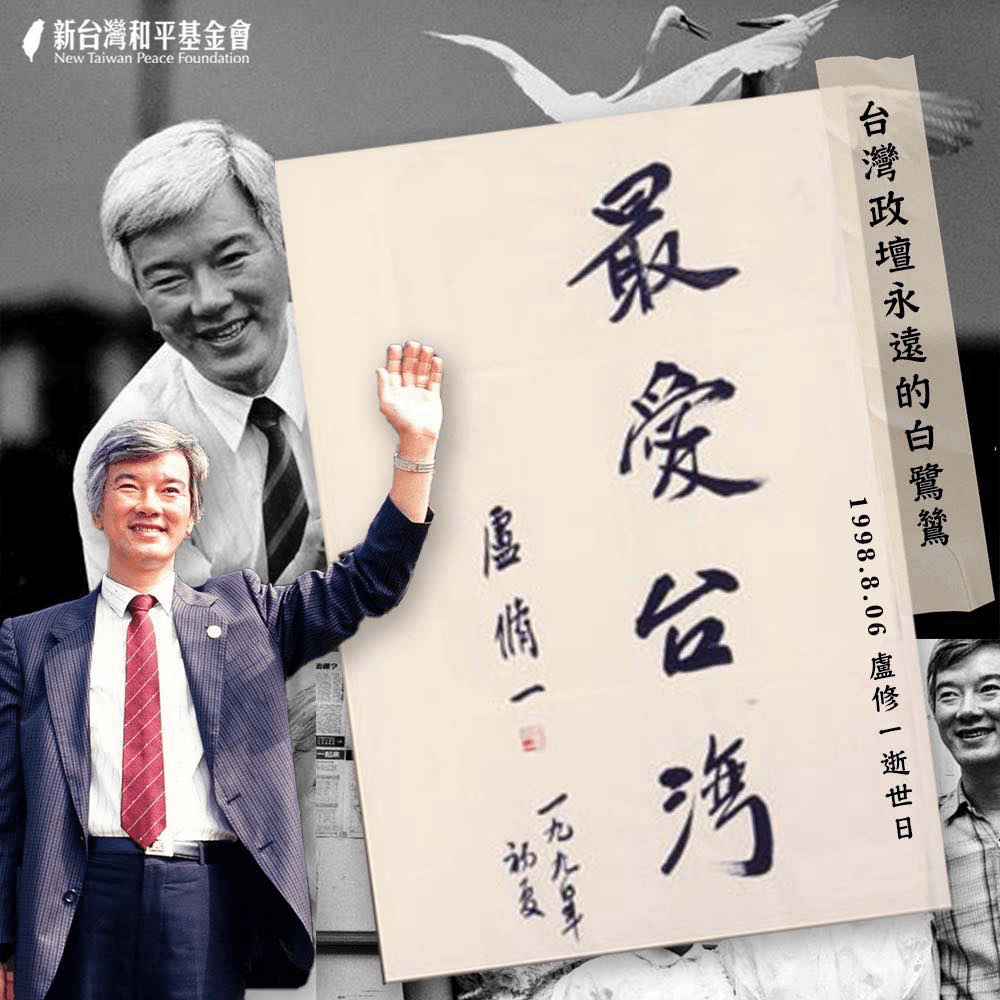
民主前輩盧修一過世那年(26年前的1998),我看到一則回顧他一生的報導,提到如果不是為了臺灣民主,可以在自由的國度裡自由選擇,他原本心願成為一位小提琴音樂家!我清楚記得,讀到那一刻,無比虧欠內疚,跟自己說:「盧先生,我會帶著感恩,如同代著您的第二生命,用力不抱遺憾、瀟灑自由地活!」
轉眼輪到我了,想好好燒完最後一點蠟燭芯,就算只能多活一天,如果一個老朽臺灣人存在的多一點助力,可以為孩子的臺灣再爭取未來24年,夕死可矣我歡心願意。這樣對上一代、下一代都可以放心無愧的一輩子,夠了,畢竟,入土為安是最終的人生幸福,不是嗎?
=====
“We Live in a Greater Continuum”
Day 9 of chemo.
This morning, I watched an 80-minute interview between Shawn Ryan and our Vice President, Hsiao Bi-khim. Not a single dull moment. In segment after segment, she came across as sincere, precise, poised, and deeply rational — a kind of leadership that moves you not by performance, but by presence.
Just look at the comments beneath the video: so many voices from other countries — voices of admiration, of envy even. And then our own voices, from Taiwan, full of pride.
The core of the interview was brutally clear: the many possible scenarios of war, and the sobering reality that Taiwan and the international community must face. It’s the kind of conversation that gives you a fuller sense of gravity — and, perhaps, inner strength. I hope a subtitled version is released soon. More Taiwanese need to see this. (Link in comments.)anese need to see this. (Link in comments.)
Afterwards, I had a sudden thought. My niece, Aili — my younger brother’s daughter — has just returned to Taiwan after 10 years abroad. She was born and raised overseas, and doesn’t really have memories of Taiwan before age seven. She speaks English and Taiwanese, but not Mandarin.

I called home on a whim. Asked if she and my father could come watch Invisible Nation with me.
For a second-generation Taiwanese immigrant, it’s rare to have this kind of memory “patched in” — especially side by side with two older Taiwanese men, in a local cinema, watching a documentary about the country they came from but never really left.
The film itself is beautifully made. A quiet triumph. It’s more than just a documentary — it’s a vessel for history, emotion, and education. Even for those of us who already know these stories, it stirs something. The editing, music, cinematography — all done with care. At several points, I found my eyes welling up.
Maybe it’s the fatigue. Maybe it’s age. Maybe it’s that feeling — that we’ve done what we could, but still, not enough.
Tomorrow marks the end of this chemo cycle. I’m beyond exhausted. I’ll sleep early tonight. But before sleep, I made a silent wish:
To stay strong — just enough — until July 26th.
The day of the referendum. The day that may yet define our island’s future.
If I can still stand, I want to go out and hold a sign — even if it’s just a small, quiet gesture of citizenship.
My father and I are both Rabbits, born 24 years apart.
Today, he brought Aili over to meet us.
When asked about his age, something suddenly hit me — a pang of helplessness.
Kaya and I exchanged a glance.
He quietly said, “That’s… a lot more than my 16 years, huh?”
Then he looked at me and whispered, “Daddy, hang in there.”
What can I say?
Right now, my only goal is to live one more day, then another.
I don’t dare think about 24 years. I don’t dare dream of catching up.
Even hoping for one extra year already feels like a gamble.
But I do know this:
If I can pass the baton,
if I can play my small part in making sure we — this in-between generation — do not become the ones who lost the country on our watch,
then that’s enough.
I remembered something today.
When democracy pioneer Lu Hsiu-yi passed away in 1998, a tribute article mentioned that had it not been for Taiwan’s struggle, he might have chosen a quiet life as a violinist — free and unburdened.
That line hit me like lightning. I remember whispering then, “Mr. Lu, thank you. I will live my life with gratitude. I will live freely, with no regrets, as if I’m carrying the second half of your life for you.”
Now, it’s my turn.
If I’m burning the last bit of this candle —
then let it burn with clarity, with warmth.
Even if I only live one more day,
even if that day is small and ordinary,
If the mere existence of one old, stubborn Taiwanese soul can help win back 24 more years for the next generation —
then I can go in peace.
In the end, isn’t that the quietest, most profound happiness?
To return to the earth, with no debts left behind.
 First Step -----Jerry的日記部落格